
Procedures
Every shoulder and knee operation Dr. Raffo performs, with his own reasoning behind each technique choice, the tradeoffs involved, and the evidence the recommendations rest on.


Arthroscopic Bankart Repair with Remplissage
Remplissage adds a posterior soft-tissue fill to arthroscopic Bankart repair for shoulders with an off-track Hill-Sachs lesion, cutting redislocation risk in a randomized trial without a significant loss of rotation.

Multidirectional Instability (MDI) Treatment
Multidirectional shoulder instability is treated with structured rehabilitation first. Dr. Raffo reserves arthroscopic capsular plication for patients who fail a genuine trial of physical therapy.

Partial-Thickness Rotator Cuff Tear Treatment
Partial-thickness rotator cuff tears are treated differently depending on how much of the tendon is torn. Dr. Raffo explains the more-than-50%-thickness rule and when it applies.

Posterior Shoulder Instability Repair
Posterior shoulder instability usually presents as deep, loading-related pain rather than a dislocation, which is why it is frequently missed. Arthroscopic posterior labral repair restores stability in most athletes.

Revision Rotator Cuff Repair
A failed rotator cuff repair can often be revised. Dr. Raffo explains why first repairs fail, what changes the second time, and when revision is not the right answer.

Rotator Cuff Repair with REGENETEN Bioinductive Implant
Adding a collagen implant to induce new tendon tissue.

Shoulder Instability Surgery
Repairing the labrum and capsule after recurrent dislocation.

ACL Reconstruction with BPTB (Patellar Tendon) Autograft
Bone-patellar tendon-bone autograft is Dr. Raffo's preferred choice for high-level contact athletes and revision ACL reconstruction.

ACL Reconstruction with Quadriceps Tendon Autograft
Quadriceps tendon autograft is Dr. Raffo's preferred default graft for primary ACL reconstruction in most active patients under 30.

CartiHeal Agili-C Implant
Agili-C is a single-stage, off-the-shelf cartilage scaffold and the only FDA-approved cartilage implant labeled for use in knees with mild-to-moderate arthritis, though long-term data beyond 2 years remains limited.
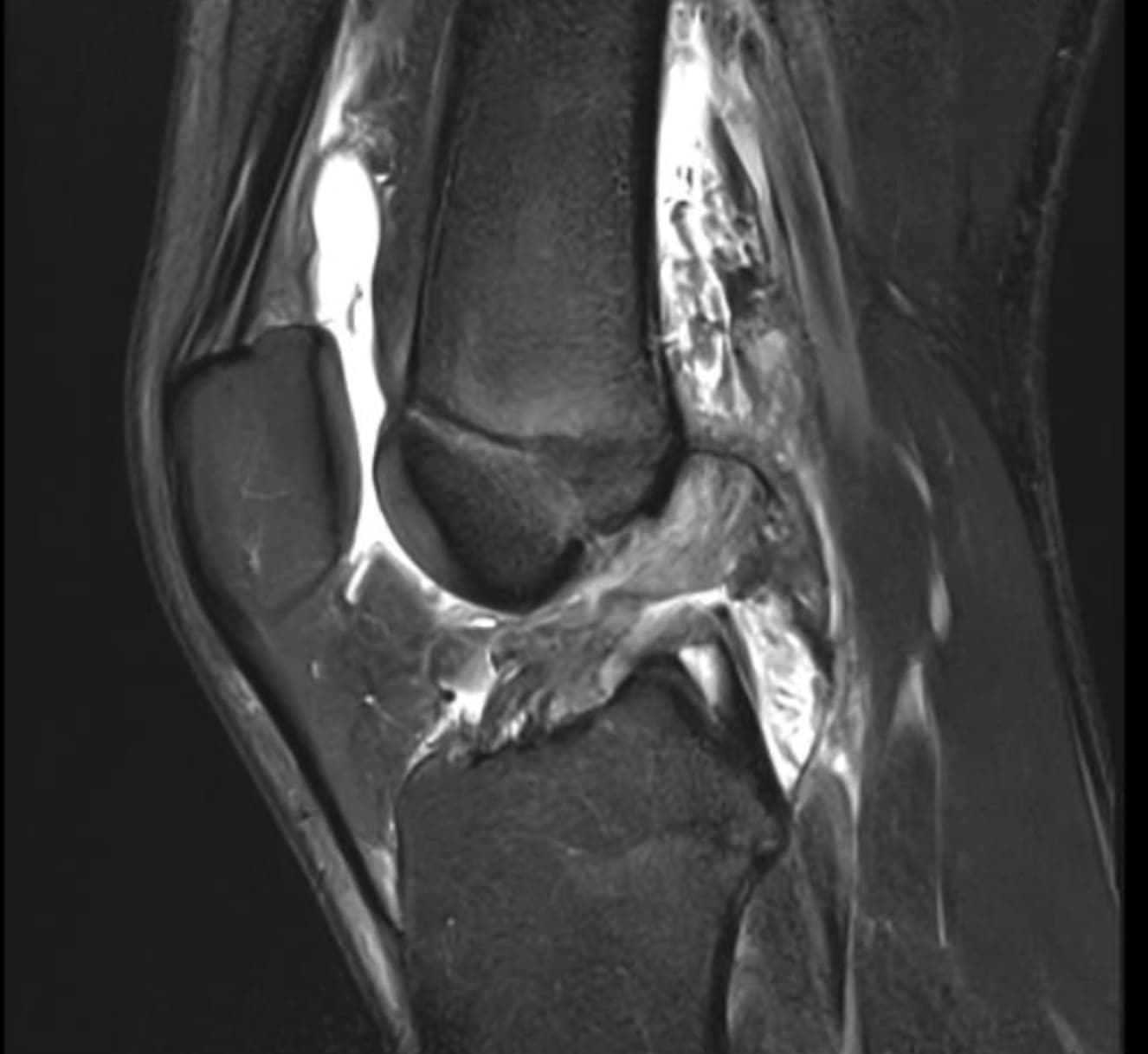
Knee Cartilage Restoration
Restoring the cartilage surface instead of replacing the joint.
Lateral Extra-Articular Tenodesis (LET) with ACL Reconstruction
Dr. Raffo adds a lateral extra-articular tenodesis to ACL reconstruction in high-risk pivoting knees because it substantially cuts graft rupture and clinical failure, with an honest look at the unresolved OA question.
MACI (Matrix-Induced Autologous Chondrocyte Implantation)
MACI is a two-stage cartilage repair that uses a patient's own cultured chondrocytes on a collagen membrane, best suited to larger, contained cartilage defects without significant bone loss.

Meniscus Repair
Suturing the torn meniscus rather than removing it.
Osteochondral Allograft Transplantation
Osteochondral allograft transplantation replaces cartilage and the bone beneath it as a single donor unit, used for large lesions, bone loss, and osteochondritis dissecans that cartilage-only techniques can't address.
Revision ACL Reconstruction
Revision ACL reconstruction addresses a failed prior graft with tunnel management, graft choice, and near-routine use of a lateral tenodesis.
Robotic-Assisted Partial (Unicompartmental) Knee Replacement
Resurfacing only the worn compartment, keeping the rest.
Robotic-Assisted Total Knee Replacement
Replacing the whole joint surface with robotic alignment.
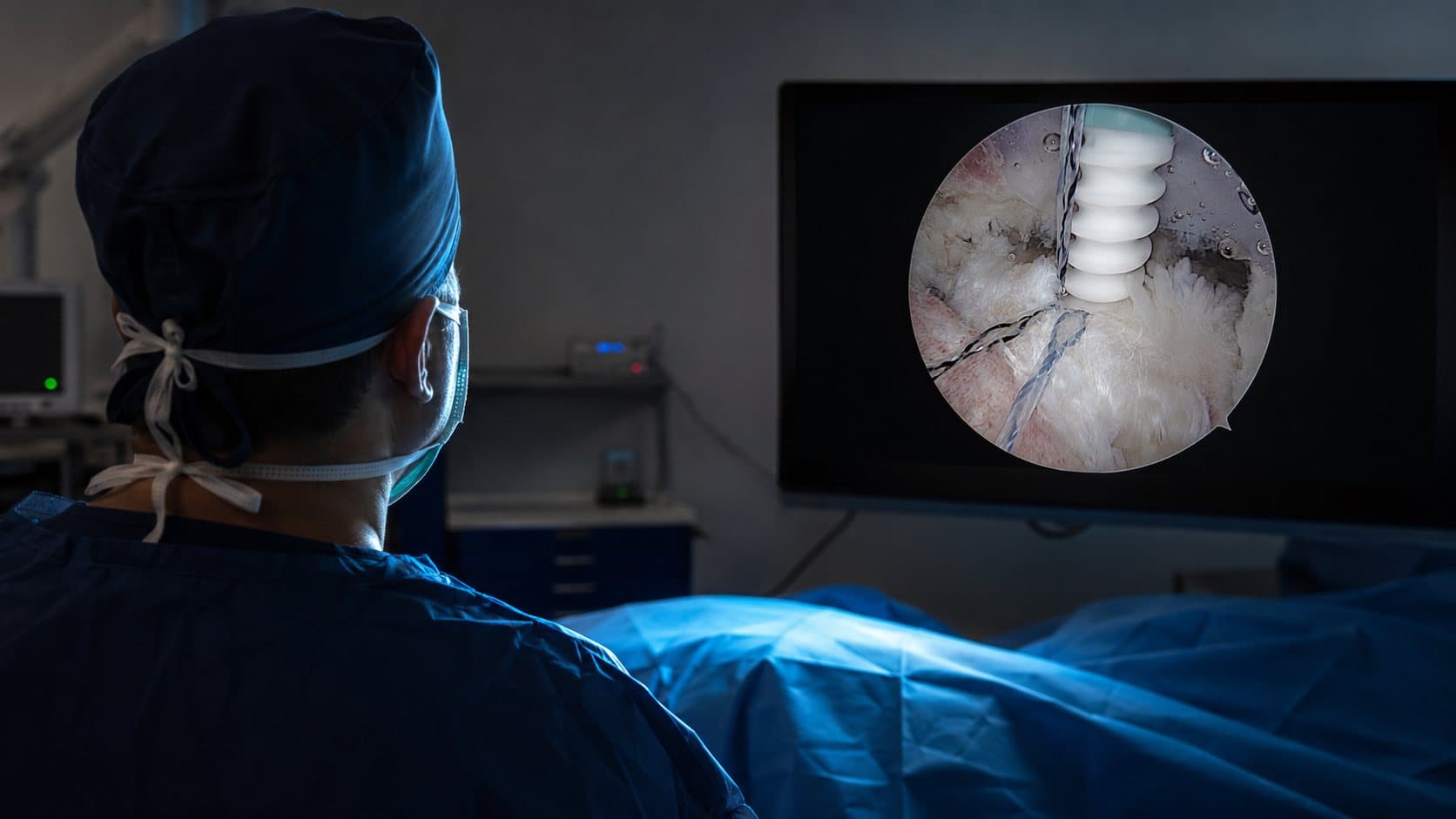
Biologic Augmentation During Surgery
How Dr. Raffo decides whether to add Regeneten, PRP, marrow venting, or BMAC at the time of rotator cuff or meniscal repair, and why he doesn't add one by default just because it's available.
Biologics in Orthopedic Practice
A surgeon's account of which biologic treatments hold up in trials, which he offers, which he declines to offer, and why the honest answer is narrower than the marketing around regenerative medicine.
Chronic Exertional Compartment Syndrome
Predictable exercise-related leg pain evaluated before surgery.
Platelet-Rich Plasma (PRP)
A surgeon's account of PRP: the conditions where trial evidence is genuinely strong, the negative trials that get left out of most marketing, and where he draws the line on offering it.