

Shoulder and knee.Almost exclusively.
A fellowship-trained sports medicine orthopaedic surgeon who operates almost exclusively on the shoulder and the knee. This is a very highly focused arthroscopy practice, where eight core surgeries represent 90% of all procedures.
Eight core operations. Thousands of surgeries.
The operations that make up the shoulder and knee practice, each covered in depth. Every other procedure I perform has its own page as well.

Arthroscopic Rotator Cuff Repair
Arthroscopic repair for symptomatic rotator cuff tears.

ACL Reconstruction
Rebuilding the torn ligament using your own tendon tissue.

Shoulder Instability Surgery
Repairing the labrum and capsule after recurrent dislocation.

Meniscus Repair
Suturing the torn meniscus rather than removing it.
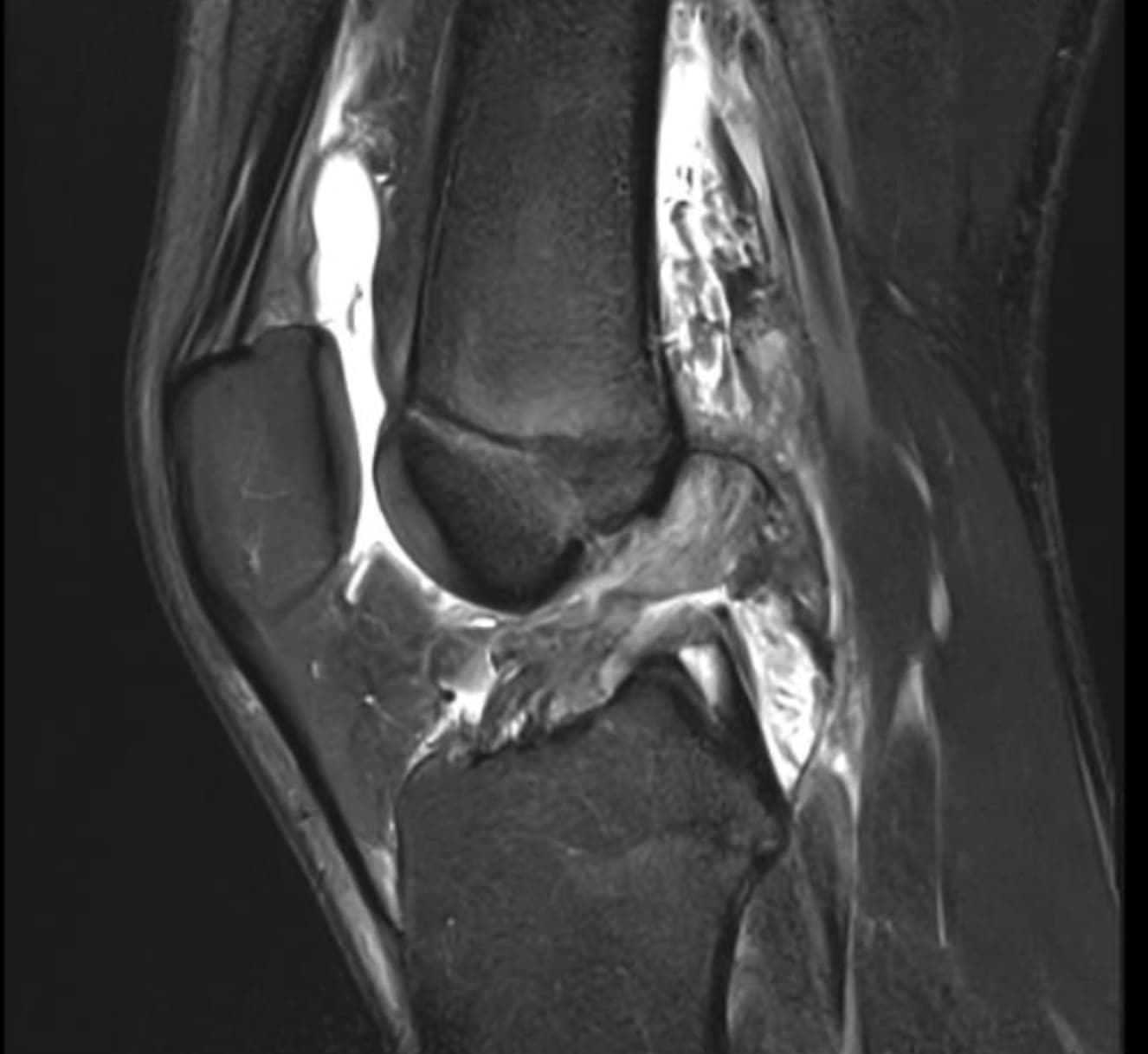
Knee Cartilage Restoration
Restoring the cartilage surface instead of replacing the joint.

Rotator Cuff Repair with REGENETEN Bioinductive Implant
Adding a collagen implant to induce new tendon tissue.
Robotic-Assisted Total Knee Replacement
Replacing the whole joint surface with robotic alignment.
Robotic-Assisted Partial (Unicompartmental) Knee Replacement
Resurfacing only the worn compartment, keeping the rest.

Bring your imaging. We read it together.
If you already have an MRI and a recommendation you are unsure about, bring both. I will walk through what the images show, what the reasonable options are, and where surgeons genuinely disagree — including when the right answer is not to operate.
Where shoulder and knee expertise meets evidence.
Two joints, in depth. I operate almost exclusively on the shoulder and the knee, and within those two joints on eight core operations and their close variations. The narrow scope is deliberate. Doing the same operations often, and following the same patients through recovery, is what builds real judgment about which ones work and when they do not.
Every decision is anchored to current research and outcomes data rather than to habit or to how I was taught. Two examples. In young, active athletes I add a lateral extra-articular tenodesis to most ACL reconstructions, because the outcome data shows a substantial reduction in graft retear in exactly that group. For high-grade partial-thickness rotator cuff tears I use a REGENETEN bioinductive implant to induce new tendon tissue, rather than completing the tear and repairing a tendon that is still largely intact. Neither is what everyone does. Both are what the evidence supports.
I practice at Maryland Orthopedic Specialists, with offices in Bethesda and Germantown, and see patients from across Montgomery County and the Washington, DC metro.
Most of that work is outpatient, at the Surgery Center of Chevy Chase — my primary surgical facility for two decades, where I have performed more than 1,200 procedures since 2020.
